
Choose options before choosing distance
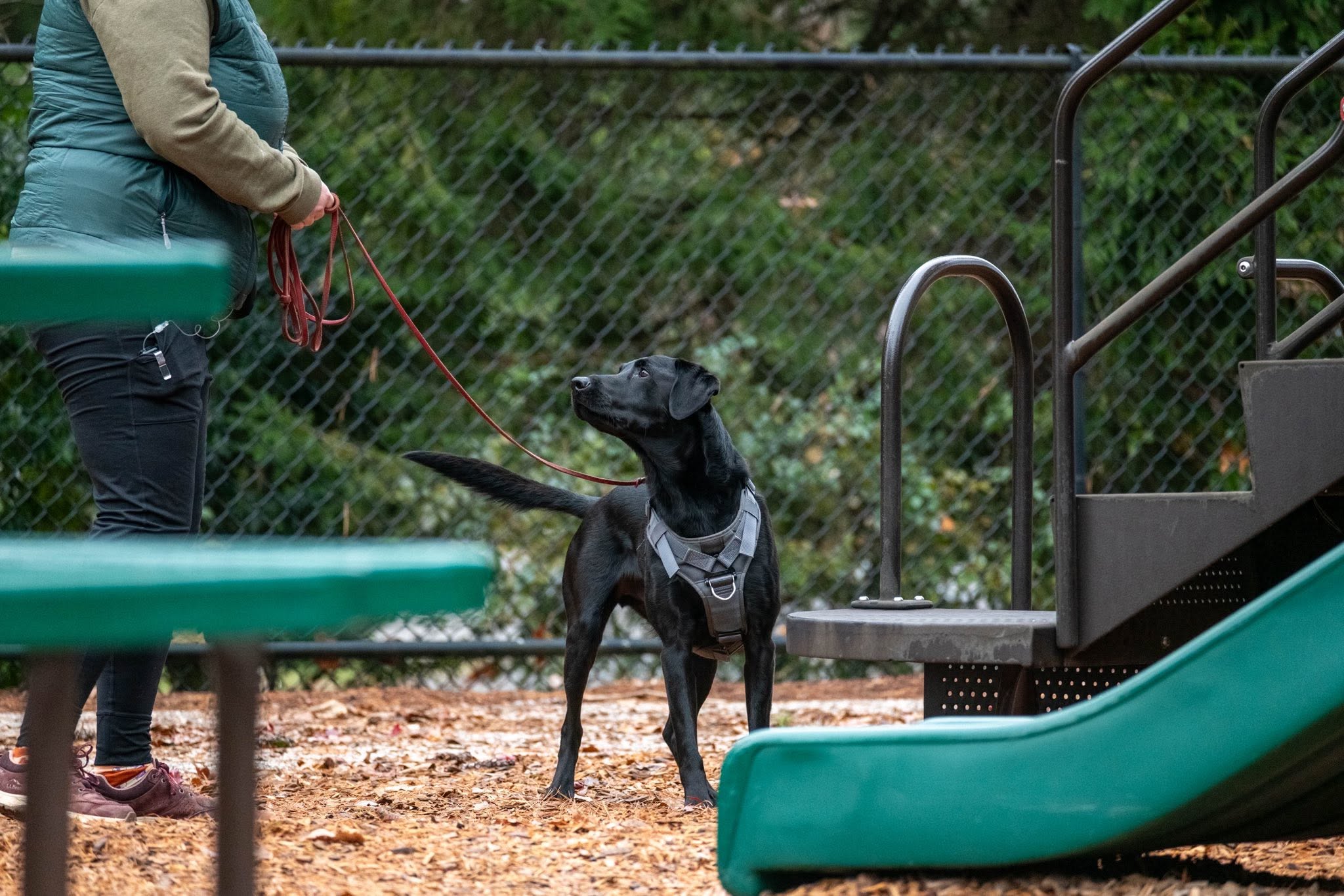
Look for the parts of a route where you can turn back, wait at a safe distance, or take another path. Notice blind corners and narrow gaps. A shorter route with choices may fit your dog better than a longer route with repeated close passes.
Think about the time as well as the place. A familiar street can feel different during school pickup or a delivery. Pause before entering a busy area and be willing to change the outing. Never use traffic or an unsafe crossing as your way to create space.
Distance is individual
Dogs Trust advises avoiding close encounters that trigger barking or lunging while seeking suitable support. There is no universal number of feet that makes an encounter comfortable. Look at your own dog and the whole situation.
A dog quietly noticing something from far away is not the same as a dog frozen in a stare. If your dog is becoming tense, pulling toward or away from the situation, or unable to disengage, create space. Do not wait for a louder response to justify leaving.
Have a small exit plan
Before you set out, decide on a few practical choices. These are management decisions, not a behavior-treatment program.
- Choose one place where you can safely turn away without becoming trapped.
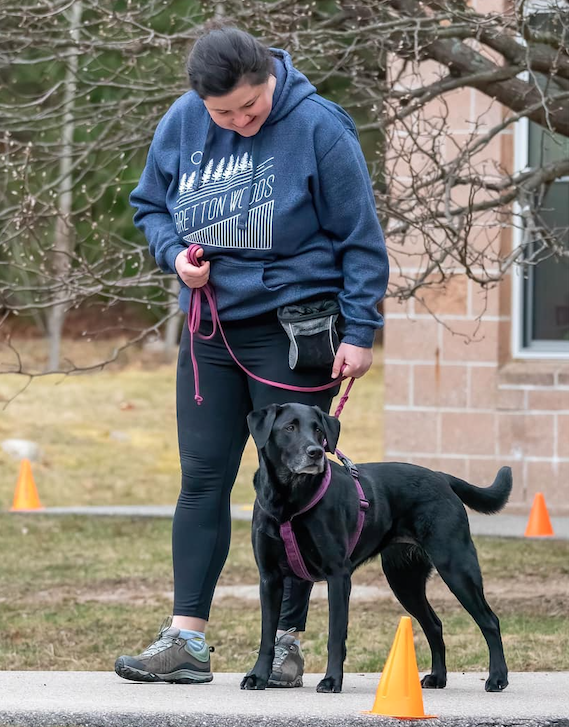
- Practice a comfortable turn with your trainer in an easy setting first.
- Have rewards and waste bags accessible so you are not searching through a bag.
- Agree with anyone walking with you that space takes priority over greetings.
Use words that are easy to say under pressure
“We need some space, thank you” is enough. You do not need to explain your dog’s whole history while holding a leash. For someone offering a greeting, try “Not today, we’re going this way.”
You can practice these phrases at home just as you practice a handling routine. If another person does not cooperate, focus on the safest available way to leave rather than winning the conversation. Strangers are not part of your training plan.
After a reaction, make the next decision simpler
Create distance and allow a quiet pause when safe. You do not need to immediately repeat the encounter to end on a success. Consider whether continuing the route is useful at all.
Later, record facts you can use: where the other dog appeared, how much room you had, and which exit was available. “Narrow corner by the entrance” suggests a route change. A broad label such as “bad walk” does not tell you what to change tomorrow.
Bring patterns to a professional
Repeated intense reactions, a bite history, or concern about safely managing your dog call for individualized help. Tell the trainer about those concerns before arranging a meeting. If the behavior changes suddenly or pain may be involved, consult your veterinarian.
For your first conversation, note the situations that are hardest and those that remain easy. A dog who struggles with close greetings may have a different need from one who is distressed throughout an outing. Route planning can give you breathing room while the right support is put in place.
A useful next step
Plan a route you can change. Making room and leaving an encounter are useful choices, not failures.
Sources & further reading
Put a plan into practice.
Tell Emily what you are working on and find a comfortable place to begin.
Explore reactive dog training