
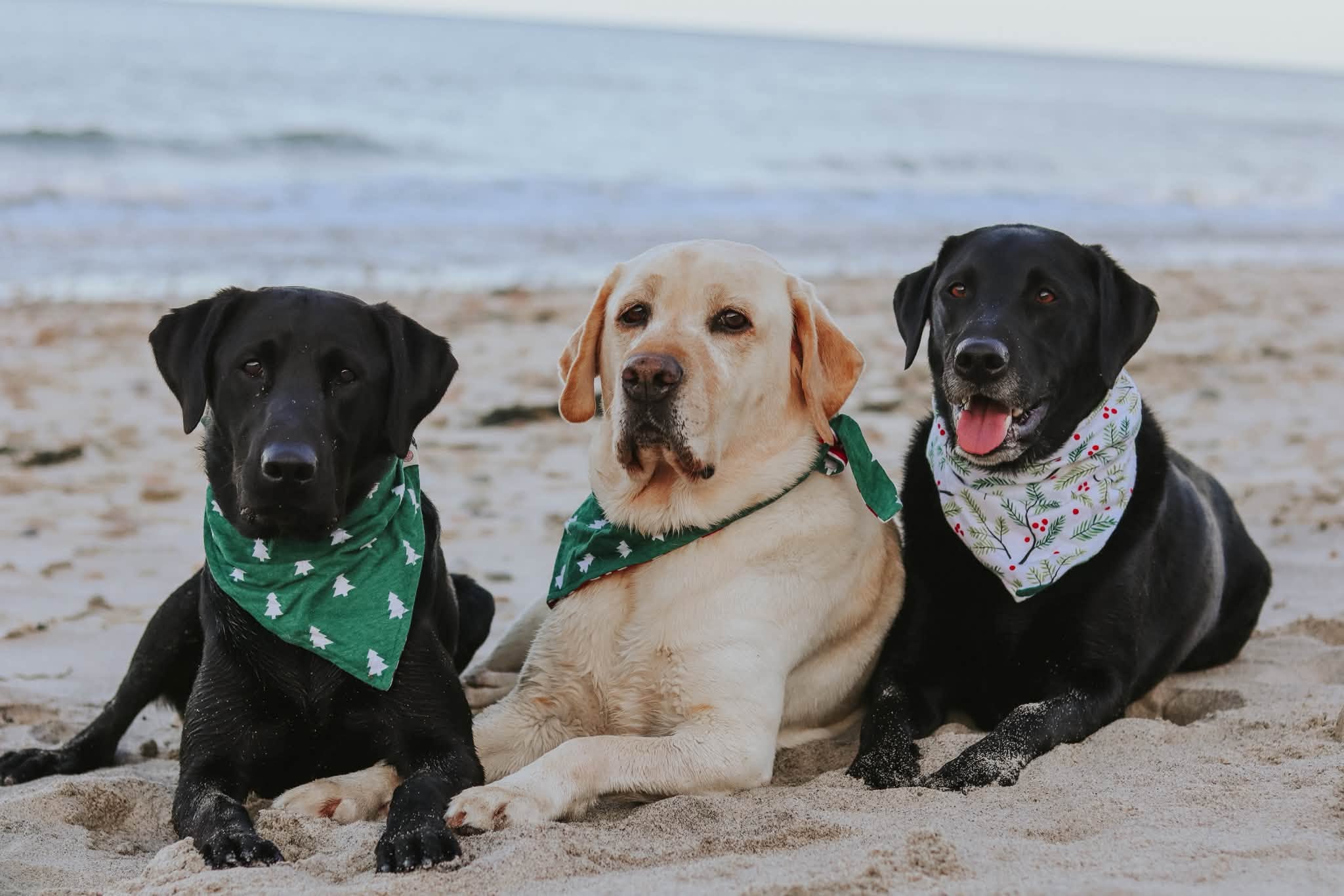
Begin with a return your dog can manage
Choose a quiet, secure space and a short distance. Use your recall cue when your dog has a good chance of responding, then reward the return. The RSPCA recommends building from successful practice at home before trying safe outdoor settings.
Write down the cue you plan to use and agree on it with the household. Different people do not need identical voices, but a shared word and a shared idea of what happens next make practice easier to organize.
Make the reward part of your plan
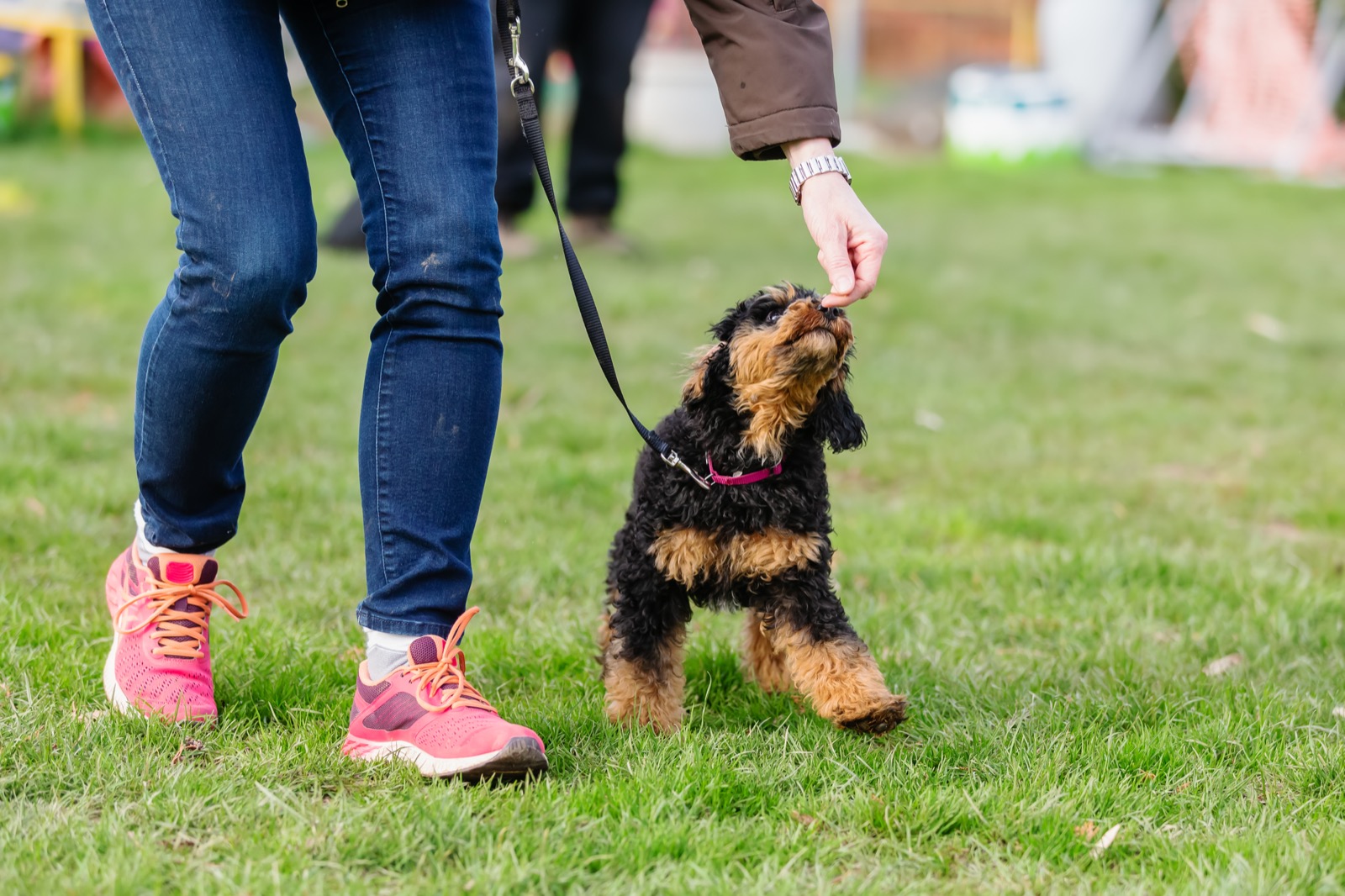
Have the reward ready before you call. A return should lead to something your dog values, and you should never punish the dog for eventually coming back. In safe situations, you can reward a return and let the dog resume an appropriate activity, so being called does not always finish the fun.
Plan a few easy repetitions rather than filling an entire outing with calling. Imagine the difference between inviting your dog back from a quiet sniff and calling repeatedly while something exciting moves away. Choose the version you can set up well.
Use a long line with suitable handling
A long training line can provide a backup for outdoor practice, but it needs space and care. Ask your trainer to help choose the equipment and demonstrate handling with a suitable harness. Keep the line clear of people and obstacles, and never wrap it around your hand.
A long line is not permission to let a dog rush toward wildlife, traffic, or another dog. If the available space is too small or busy, use a different location. Equipment does not make an unsuitable practice safe.
Separate distance from difficulty
Choose one change for the next practice: a little more distance in the same secure setting, or a different easy setting at a short distance. Do not use a big distraction as a surprise examination.
A simple record helps you see what you have actually practiced. Note the location, distance, distraction, and response. “Came back in the yard with no one else present” is valuable information. It does not tell you how your dog will respond beside a running animal.
If your dog does not come back promptly
Use your safety setup to prevent the situation from becoming dangerous. Avoid repeatedly shouting the cue or punishing the dog when they return. Make the next practice easier and review the setup with your trainer.
Ask yourself whether you changed too many things, called while the dog was deeply occupied, or had no clear reward ready. You are looking for an adjustment you can make, not a reason to test the same hard situation again.
Decide about off-leash access separately
Training and permission are different questions. Check current rules for the exact place you want to visit and follow signs and restrictions. Even a well-practiced recall does not override a leash requirement.
Discuss these questions with your trainer before unclipping:
- Has this skill been practiced around the distractions likely to be here?
- Is the area appropriate, secure enough for the plan, and away from traffic or other hazards?
- Can I prevent unwanted approaches to people, dogs, and wildlife?
- Would a leash or long line be the better choice for this dog today?
A useful next step
Build evidence through safe practice. One excellent recall is encouraging, but it is not a guarantee in every setting.
Sources & further reading
Put a plan into practice.
Tell Emily what you are working on and find a comfortable place to begin.
Explore off-leash training